
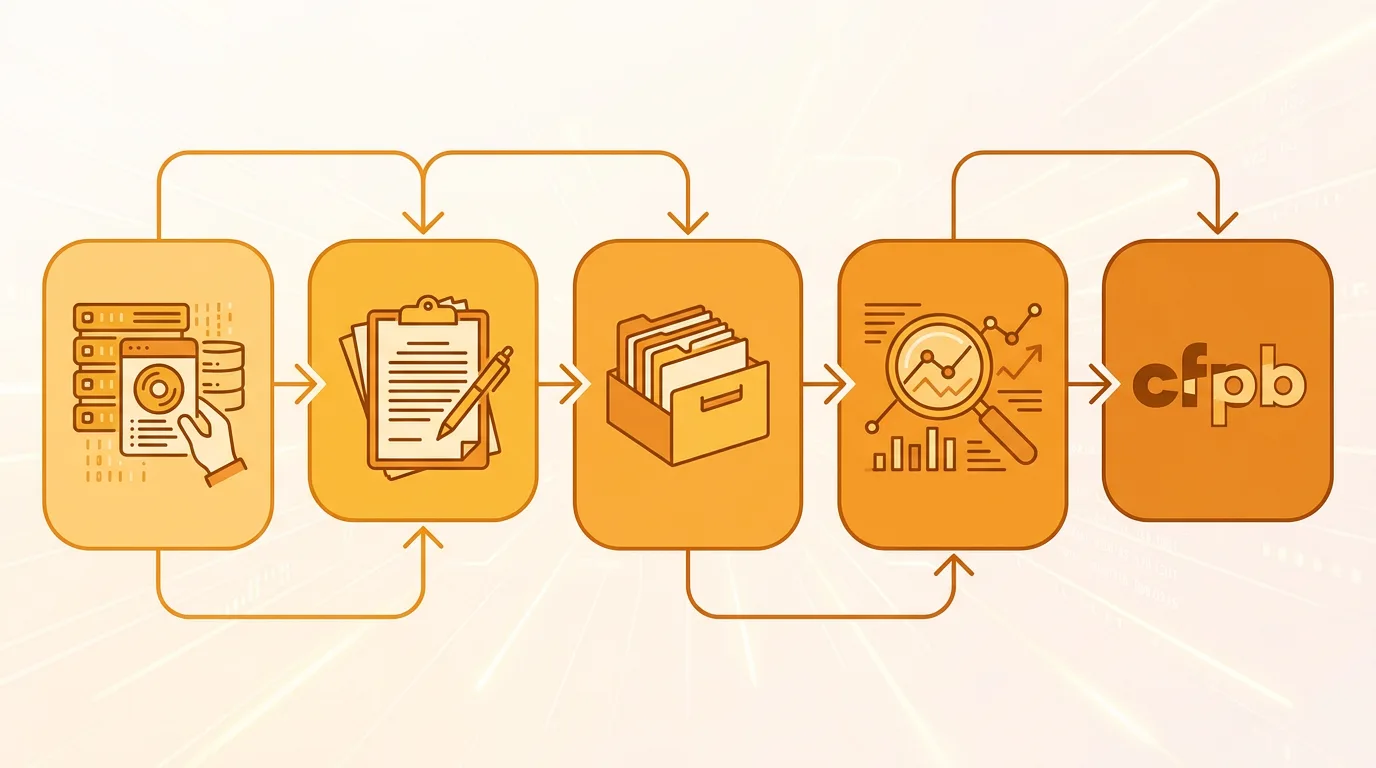
To dispute a credit report error: (1) pull your free reports from all three bureaus at AnnualCreditReport.com; (2) find and document the error; (3) gather evidence (receipts, statements); (4) file a written dispute with each bureau reporting it — this triggers their legal duty under the FCRA to investigate within 30 days; (5) dispute with the furnisher too when appropriate; (6) if unresolved, escalate to the CFPB. It's free, and removing a real error can raise your score 25–100+ points.
Why Credit Report Errors Matter So Much
Credit report errors aren't just an annoyance — they have real financial consequences. The information on your report feeds your credit score, and under the law it can affect decisions about credit, insurance, and employment. An error can block you from a mortgage, push your interest rate higher, cost you an apartment, or even affect a job application.
The encouraging flip side: because errors actively suppress your score, removing one can produce a fast, meaningful increase — often around 25 points on average, and 100+ points in cases involving a major error like a wrongly reported collection or an account that isn't yours. This makes checking and disputing errors one of the most overlooked ways to improve your credit score fast.
Common Credit Report Errors to Look For
The errors worth disputing
Note that legitimate negative marks can't be removed by disputing — an actual late payment stays for 7 years and its impact simply fades over time. Disputing only works for genuine inaccuracies. For what legitimately hurts your score, see what hurts your credit score.
How to Dispute Credit Report Errors — Step by Step
Get your reports from all three bureaus
Pull your free credit reports from Equifax, Experian, and TransUnion at AnnualCreditReport.com — the only federally authorized free source. The FTC has made weekly free access permanent, so you can check often. Save each report as a PDF or print it, so you have a dated snapshot of exactly what appeared.
Check all three bureaus, because an error on one doesn't automatically appear on the others — and creditors don't always report to all three. Keep a separate folder for each bureau.
Review carefully and document every error
Go through three areas methodically: personal information (name, address, SSN), account details (payment history, balances, limits, open dates), and inquiries, collections, or public records. Circle or highlight every error and note the exact account number and creditor name for each one.
Be specific about what's wrong. "This account shows a 30-day late payment in March 2026, but I paid on time" is far more effective than "this is wrong." Specificity drives successful disputes.
Gather your supporting evidence
Collect documents that prove the error: payment receipts, bank or credit card statements, cancelled checks, letters, or account records. Clear evidence makes a dispute much more likely to succeed. Keep the version of your report that shows the error, alongside the proof it's wrong.
File a formal dispute with the credit bureau
Submit a dispute to each bureau that's reporting the error. You can dispute online, by phone, or by mail — but disputing by mail with certified mail creates the strongest paper trail. Be clear, factual, and organized: identify the specific item, explain why it's wrong, and include copies (never originals) of your evidence.
Filing a formal dispute triggers the bureau's legal obligation under the Fair Credit Reporting Act (FCRA) to investigate — they must contact the furnisher and demand they verify the information.
Dispute with the furnisher too, when appropriate
The "furnisher" is the company that supplied the information — a lender, bank, or collection agency. For complex errors, disputing directly with the furnisher in addition to the bureau can help resolve the issue and strengthens your case. The furnisher also has a legal duty to investigate disputed information.
Wait for the investigation — and escalate if needed
The bureau must investigate and respond within 30 days. If they verify the error and correct it, they'll notify the other bureaus so all your reports get fixed. If the dispute fails but you have new evidence, you can refile to restart the clock. If errors persist, escalate to the CFPB (next section).
The FCRA Dispute Timeline
What the law guarantees you
The 30-day window is set by the FCRA and it's a hard rule. Adding extensive evidence can extend the timeline to 45 days, but it often leads to a more accurate resolution and reduces the chance you'll have to dispute again. There's a trade-off between speed and thoroughness — for a significant error, thoroughness usually wins.
What to Do If Your Dispute Is Rejected
Disputes fail more often than people expect — frequently because the error wasn't documented clearly or the consumer didn't keep proof. If yours is rejected or the error remains, you have options:
- Refile with new evidence. Submitting fresh documentation — like a recent payment statement — restarts the investigation with a clean 30-day clock. Don't simply resubmit the identical dispute, because bureaus can label repeat disputes "frivolous" and stop responding.
- File a CFPB complaint. If errors remain after the investigation (or after 60 days total counting the furnisher response), file a complaint with the Consumer Financial Protection Bureau at consumerfinance.gov. Include your dispute timeline, copies of all letters, confirmation numbers, and the furnisher's failure to correct. The CFPB investigates and can pressure furnishers to act.
- Report fraud to the FTC. If you suspect deliberate false reporting or identity theft, report it at IdentityTheft.gov or ReportFraud.ftc.gov.
- Consult an FCRA attorney. For serious or persistent violations, an attorney who handles Fair Credit Reporting Act cases can escalate further — many offer free consultations, and the FCRA allows recovery of damages and legal fees in some cases.
Document everything, meticulously. Keep certified mail receipts, confirmation codes, every letter from bureaus and furnishers, and copies of your reports showing the errors. This documentation is what makes escalation work — without a paper trail, a rejected dispute is hard to push further. The consumers who win are the organized ones.
Beware "Credit Repair" Companies
You'll see ads from companies promising to "fix" your credit for a monthly fee. Understand this: everything a credit repair company can legally do, you can do yourself for free. They dispute errors on your behalf using the exact FCRA process described above. They cannot remove accurate negative information — anyone promising to erase legitimate late payments or bankruptcies is making a promise they can't keep.
Legitimate disputes cost nothing. Save your money, follow the steps above, and put any spare funds toward paying down balances — which improves your score directly. See how to check your credit score free to monitor your progress as corrections take effect.
Make this a yearly habit: Pull your three reports at least once a year — it's free at AnnualCreditReport.com — and scan for errors even if your score looks fine. Catching a wrongly reported late payment or a fraudulent account early prevents months of suppressed scores and protects you from identity theft damage. Fifteen minutes a year is one of the highest-return financial habits available.
Frequently Asked Questions
How do I dispute an error on my credit report?
Get your free reports from all three bureaus at AnnualCreditReport.com and identify the error. Document it — note the exact account and creditor and save a copy showing the mistake. Gather evidence like receipts or statements. File a formal written dispute with each bureau reporting it, which triggers their FCRA duty to investigate within 30 days. Consider disputing with the furnisher too. If unresolved, escalate to the CFPB.
How long does a credit bureau have to investigate a dispute?
Under the FCRA, bureaus must investigate and respond within 30 days. If you submit additional evidence after filing, they get up to 15 extra days (45 total). The bureau must contact the furnisher and have them verify the item; if it can't be verified, it must be corrected or removed. The 30-day window is a hard rule that protects you from indefinite delays.
Should I dispute online or by mail?
Both work, but mail (especially certified with return receipt) creates a stronger paper trail. Online is convenient for simple errors but may not give you the documented record you'll want if you need to escalate to the CFPB or get legal help. For complex disputes or errors significantly hurting your score, dispute by mail and keep copies of your letter, evidence, and receipts.
What happens if my credit dispute is rejected?
You can refile with new evidence, which restarts the investigation — but don't resubmit an identical dispute, as bureaus can label it "frivolous." If the error remains, file a CFPB complaint with your dispute timeline, letters, and confirmation numbers; the CFPB can pressure furnishers to act. For serious or persistent FCRA violations, consult an FCRA attorney.
Can disputing errors actually raise my credit score?
Yes. Removing a legitimate error can raise your score around 25 points on average, and 100+ points when a major error like a wrongly reported collection, an on-time payment marked late, or an account that isn't yours is removed. Since 1 in 5 Americans has a verified error (FTC), disputing is one of the most overlooked ways to improve a score. Errors affecting payment history and amounts owed hurt the most.
Sources & References
- Federal Trade Commission — credit report error research (1 in 5 Americans has a verified error); Disputing Errors on Credit Reports
- Consumer Financial Protection Bureau — How do I dispute an error on my credit report (FCRA 30-day investigation)
- Hays Cauley P.C. — Credit Report Dispute Process (2026): three-bureau review, CFPB escalation after 60 days
- Consumer Attorneys / Ginsburg Law Group — FCRA Credit Report Errors: step-by-step dispute plan (April 2026)
- The Credit People — FCRA Dispute Timeline: 30 days, +15 with new evidence, frivolous-dispute rules
- FCRA Attorneys — Consumer rights under the Fair Credit Reporting Act