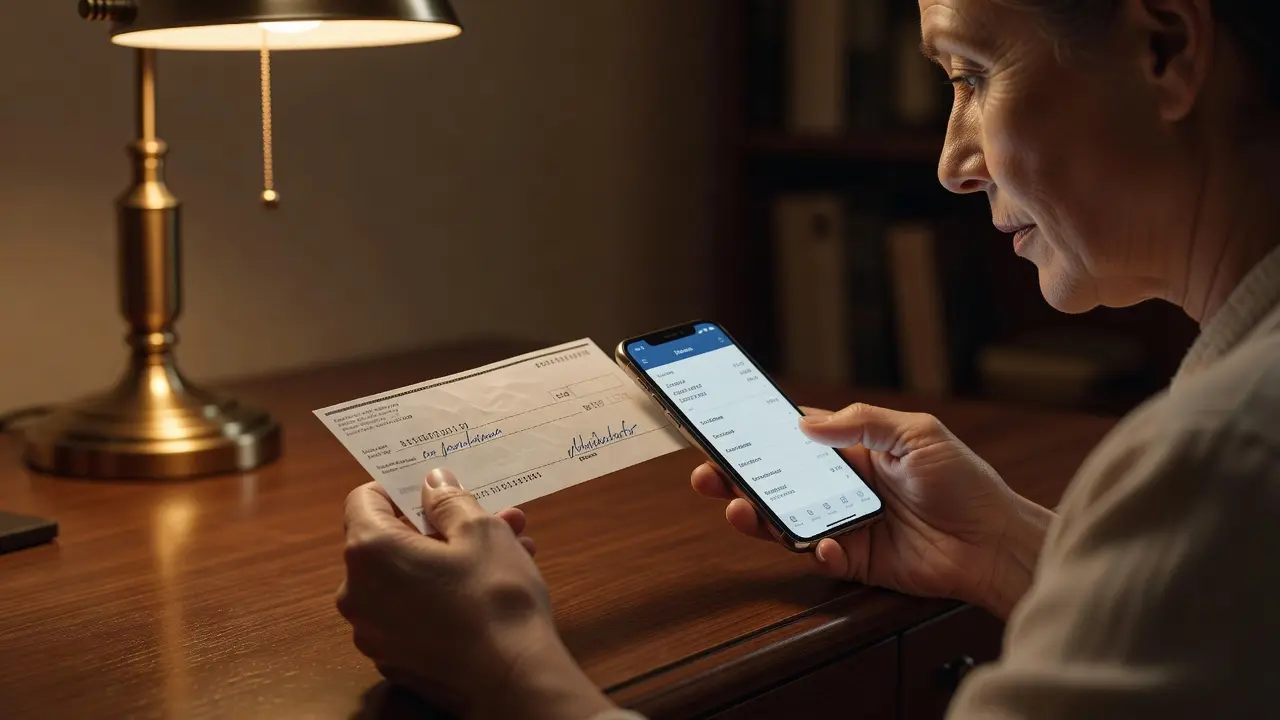
A check can show as "cleared" in your account within a day or two, but full verification by the issuing bank can take weeks — that gap is exactly what the scam exploits. Common patterns: overpayment scams (send back the "extra"), mystery shopper/job scams (deposit and wire out), prize scams (pay "fees" upfront). Red flags: being asked to wire money, buy gift cards, or send crypto back after depositing a check; an unexpectedly large check from a stranger; pressure to act fast. Verify any suspicious check by calling the issuing bank directly using a number from their real website — never a number printed on the check.
Why "The Check Cleared" Doesn't Mean It's Real
Federal law requires banks to make deposited funds available quickly — often a portion within a day or two, the rest within a few business days. But availability isn't the same as verification. Confirming a check is genuine, especially from an out-of-state or unfamiliar bank, can take the issuing bank weeks. That gap is the entire mechanism behind the scam: you see money in your account, feel confident, and act on it — while verification is still quietly happening in the background.
The Common Scam Scripts
Recognize the pattern, not just the story
- Overpayment scam — a buyer sends more than agreed, asks you to refund the "extra"
- Mystery shopper / job scam — a fake employer sends a check for "supplies," asks you to wire part back
- Prize/sweepstakes scam — you "won," but need to pay taxes or fees upfront via the check they sent
- The common thread — deposit a check, then quickly send money elsewhere, usually via wire, gift cards, or crypto
Warning Signs Before You Deposit
The strongest single red flag: being asked to send money back — wire transfer, gift cards, or cryptocurrency — after depositing a check. Legitimate transactions almost never require sending funds back through these specific, hard-to-reverse channels. Combine that with an unexpectedly large check from a stranger, or pressure to act quickly, and you're very likely looking at a scam.
Physical signs on the check itself — a missing bank logo, mismatched printed vs. handwritten amounts, an unfamiliar layout — can help, but modern counterfeits are often visually convincing. Don't rely on appearance alone.
What to Do If You're Targeted
Verify directly with the issuing bank — look up their number independently through their official website, never a number printed on the check itself (a fraudulent check can list a fake number that connects you straight to the scammer). Never wire money, buy gift cards, or send crypto based on instructions that arrived with the check, no matter how convincing the explanation.
If you've already deposited a suspicious check, contact your own bank immediately — acting fast may limit fees or complications, even though you may still owe the deposited amount if the check turns out fake. Report it to the FTC at ReportFraud.ftc.gov — it helps regulators track scam patterns, even if it doesn't recover your specific loss.
The bottom line: The single fact that breaks this scam wide open is understanding that money showing up in your account isn't proof a check is real — verification takes far longer than availability. Never send money back based on a check you just deposited, verify anything suspicious directly with the issuing bank, and treat urgency as a warning sign rather than a reason to skip caution.
Frequently Asked Questions
Why do fake check scams work even when the check clears?
They exploit a specific gap in how the check system works: federal law requires banks to make deposited funds available quickly, often within a day or two for part of the check and a few business days for the rest, but availability doesn't mean the check has been verified as legitimate. Verifying a check, particularly from an out-of-state or unfamiliar bank, can take the issuing bank considerably longer — sometimes weeks. This creates a window where you see money in your account and even spend some of it, feeling confident the check is real, while verification is still quietly ongoing. Once the check is eventually discovered fraudulent, which can happen well after you've already spent or sent money based on it, your bank reverses the deposit, and you become responsible for repaying the full amount regardless of believing it had already cleared.
What are the most common fake check scam scenarios?
Several recurring storylines account for most fake check scams — recognizing the pattern matters more than memorizing every variation. The overpayment scam: someone pays more than agreed, often for an online sale, then asks for a refund of the difference before the original check bounces. The mystery shopper scam: a fake assignment testing a money transfer service, instructing you to deposit a check and wire part elsewhere. Prize/sweepstakes scams: you "won" but must pay taxes or fees upfront via a check that later bounces. Job/work-from-home scams: a fake employer sends a check for supplies, asking for funds wired back. The common thread in every version: deposit a check, then quickly send money elsewhere, typically through a hard-to-reverse method like wire transfer, gift cards, or cryptocurrency.
What are the warning signs of a fake check?
Several red flags commonly appear together — noticing even one should prompt caution. Being asked to wire money, send gift cards, or use cryptocurrency to return a portion of funds from a check you just received is one of the strongest signs, since legitimate transactions rarely require sending money back through those specific channels. An unexpectedly large check from someone you don't know, especially tied to an online sale, job offer, or prize notification, should raise suspicion. Pressure to act quickly discourages the careful verification that would expose the scam. Physical signs on the check — a missing or unfamiliar bank logo, mismatched printed and handwritten amounts, an unusual look — can help, but modern counterfeits can be visually convincing and shouldn't be your only line of defense.
What should I do if I think I received a fake check?
Verify its legitimacy directly with the issuing bank before depositing it or sending any money based on it. Look up the bank's phone number independently through its official website, not any number printed on the check, since a fraudulent check may list a fake number connecting you to the scammer. Never deposit a check and then wire money, buy gift cards, or send crypto based on instructions that arrived with it, however convincing the explanation. If you've already deposited a check you now suspect is fake, contact your own bank immediately — acting quickly may limit fees or complications, even though you may still owe the deposited amount if it's confirmed fraudulent. Report the scam to the FTC at ReportFraud.ftc.gov, which helps regulators track patterns even if it doesn't directly recover your loss.
Sources & References
- Federal Trade Commission — How To Spot, Avoid, and Report Fake Check Scams: common scam narratives, wire/gift card/crypto red flags, reporting process
- American Bankers Association — Fake Check Scams: overpayment and foreign-transfer variants, cashier's-check clearing misconception
- FDIC.gov — Beware of Fake Checks: mystery shopper and work-from-home scam mechanics, activation-fee bait tactics
- IdentityGuard — How To Tell If a Check Is Fake: provisional-credit liability explanation, physical check authentication cues
- PNC Insights — How to Tell If a Check Is Fake: independent bank-verification process, USPS mail fraud reporting
- Wells Fargo — Three Steps to Avoid Fake Check Scams: lottery/sweepstakes scam pattern, self-check questionnaire before depositing