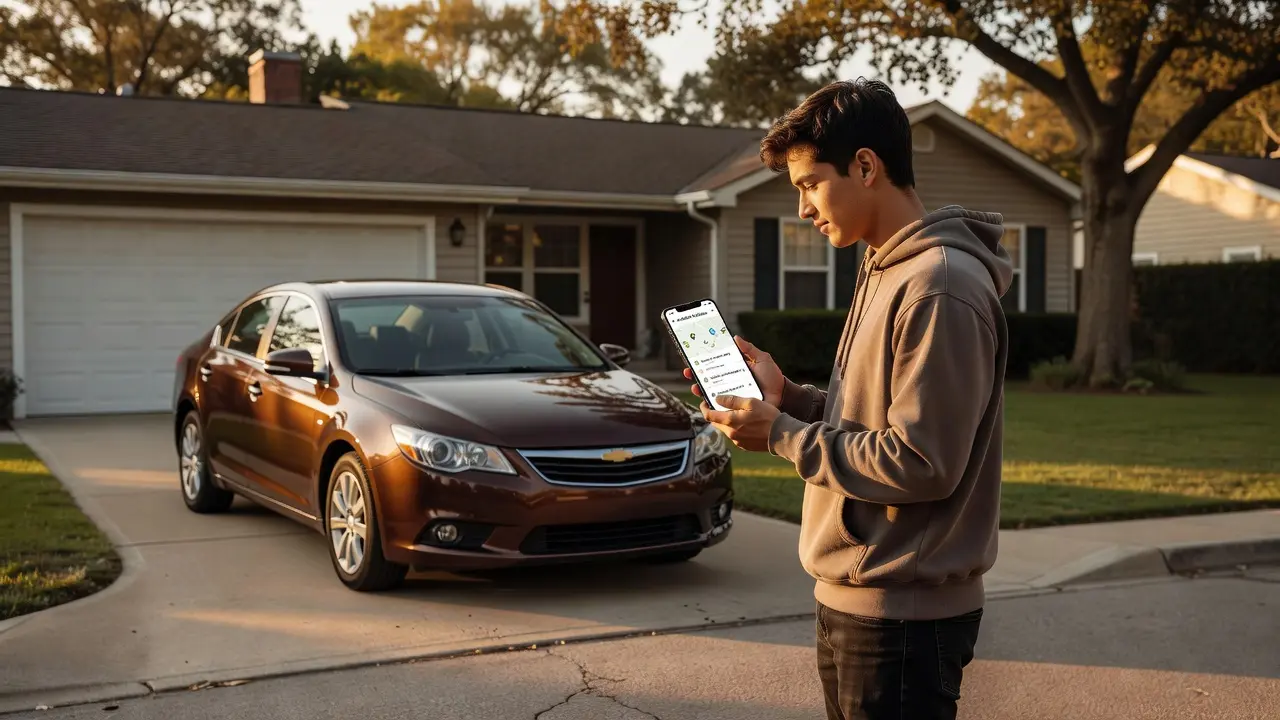
List your idle car on a peer-to-peer car sharing platform (like Turo, Getaround, or HyreCar) — you set your price and availability, and the platform handles booking, screening, and typically insurance during the rental. Hosts commonly earn a few hundred dollars a month per car, with high-demand vehicles in busy markets earning more. Platforms take a commission from each booking. Real trade-offs: extra wear and tear, coordination time, and the need to notify your personal insurer that you're renting commercially. Best suited to a car that's genuinely sitting unused rather than one you need daily.
How It Works
Peer-to-peer car sharing platforms connect car owners with people who need temporary access to a vehicle — essentially the same model as Airbnb, applied to cars instead of homes. You create a listing with photos, set your daily price and availability, and the platform handles the booking process, renter screening, and payment.
Choose a platform
Options include general car-sharing marketplaces (like Turo or Getaround) and platforms geared toward rideshare/delivery drivers needing a vehicle (like HyreCar). Compare fee structures, insurance terms, and which is most active in your area.
Create your listing
Upload clear photos, an accurate description, and required documents (registration, inspection). Most platforms let you set your own daily price — research what similar vehicles in your area charge before settling on a rate.
Set your availability and rules
Decide which days your car is available, mileage limits per rental, and any rules (no smoking, no pets, geographic restrictions). Clear expectations up front reduce disputes later.
Screen and approve renters
The platform typically handles identity verification and driving history checks, but you generally have final say on approving a specific booking request.
Handle pickup, drop-off, and cleaning
Coordinate logistics with the renter directly or through the platform's tools, and clean the car between rentals to keep your listing competitive and your ratings high.
What You Can Realistically Earn
Earnings vary a lot based on your car, location, and how often you list it, but many hosts earn a meaningful side income — commonly cited in the range of a few hundred dollars a month per vehicle, with wide variation: occasional listings might bring in a few hundred dollars, while cars rented frequently in high-demand markets can exceed a thousand dollars a month. Trucks, vans, and specialty vehicles often command higher daily rates than a standard sedan, and busy cities or areas near airports see more rental demand than low-traffic suburbs. Remember that platforms take a commission from each booking, so your actual take-home runs below the listed rental price — check the specific fee structure before estimating your earnings.
Is It Worth It for Your Car?
✓ Good fit
- Car sits unused most days (WFH, public transit commuter)
- Reliable, clean, in-demand vehicle type
- Located in a busy city or near an airport
- You have time to coordinate pickups/cleaning
✗ Weaker fit
- You need the car daily and can't plan around bookings
- Older car with reliability concerns
- Rural/low-demand area
- Personal policy has strict commercial-use exclusions
Insurance and Risk
Reputable platforms typically provide liability and physical damage coverage during the active rental period — a major reason people trust these platforms over privately lending a car to a stranger. But that coverage generally only applies while the car is actively rented; before and after, your personal policy applies, and gaps can occasionally occur depending on specific terms.
Notify your personal insurer. Some personal auto policies exclude commercial use, and undisclosed commercial activity (like paid car sharing) could jeopardize your coverage on an unrelated claim. Read your platform's host insurance terms and your own policy's commercial-use language carefully before listing — coverage details and deductibles vary meaningfully between platforms.
Before you list your car
- Compare 2-3 platforms' fee structures and insurance terms
- Notify your personal auto insurer about commercial use
- Research comparable listings to set a competitive price
- Set clear mileage limits and usage rules
- Budget for extra maintenance from increased wear and tear
Factor in the real costs. More miles and more drivers accelerate maintenance needs, which cuts into your effective earnings once you account for it. Managing rentals — even with a platform doing much of the work — still takes real time: coordinating logistics, communicating with renters, cleaning between trips. Budget both the time and the wear-and-tear cost against your expected income before assuming it's pure profit.
The bottom line: Renting out an idle car through a peer-to-peer platform is a genuine way to offset ownership costs or build modest side income — not passive money, but close to it for a car that's sitting unused anyway. Pick a platform with solid insurance terms, notify your own insurer, price competitively based on your area and vehicle type, and go in clear-eyed about wear and tear and coordination time. For the right car in the right market, it's one of the lowest-effort ways to make an asset you already own start paying you back.
Frequently Asked Questions
How much can you make renting out your car?
Varies widely by car, location, and availability, but many hosts earn a meaningful side income. Some services report average earnings in the range of a few hundred dollars per month per vehicle, with real examples from a few hundred dollars for occasional listings to over a thousand dollars a month in high-demand markets rented frequently. Trucks, vans, and specialty or luxury vehicles often command higher daily rates than a standard sedan. Location matters significantly — a car in a busy city or near an airport sees more requests than one in a low-traffic area. Because platforms typically take a percentage as a service fee, your actual take-home is somewhat lower than the listed rental price, so understanding the specific fee structure matters before estimating earnings.
Is it safe to rent out your personal car?
There's real risk, but major platforms are built specifically to manage it, distinguishing this from simply handing keys to a stranger. Reputable platforms typically screen renters through identity verification and driving history checks, and generally provide insurance coverage during the rental period — important since your personal auto policy may not automatically cover a paid rental. Still, expect some additional wear and tear from unfamiliar drivers, and there's always some damage risk even with insurance, since claims processes take time and can involve disputes over coverage. Reading a platform's specific insurance policy and claims process — including deductibles and accident procedures — before listing is essential, since coverage details vary meaningfully between platforms and affect your actual financial exposure.
What are the downsides of renting out your car?
Real trade-offs exist. Increased wear and tear is the most immediate — more miles, drivers, and use accelerate maintenance and can shorten the car's usable life, cutting into effective earnings. Managing rentals still takes real time despite platform tools: coordinating pickup/drop-off, communicating with renters, and cleaning between trips. There's damage risk, and even with insurance, claims can be frustrating and slow. Depending on your state and platform, you may need to notify your personal auto insurer that you're renting commercially — failing to do so could complicate your existing policy. Finally, you lose access to your car during rental periods, requiring some planning around your own transportation needs.
Do I need special insurance to rent out my car?
Mostly you'll rely on the platform's own coverage rather than a separate commercial policy, though details depend on the platform and your state. Major platforms typically include liability and physical damage coverage during the active rental period as part of standard host terms — a key reason people trust these platforms over privately lending a car. But this coverage generally only applies while actively rented; before and after, your personal policy applies, and gaps can occasionally occur. It's strongly recommended to notify your personal insurer that you're renting commercially, since some policies exclude commercial use, and undisclosed activity could jeopardize coverage on an unrelated claim. Review both your platform's host insurance terms and your personal policy's commercial-use language before listing.
Sources & References
- Well Kept Wallet — 5 Ways to Make Money Renting Out Your Car: platform comparison (Turo, HyreCar), average $14,000/year via HyreCar for active hosts, listing setup process
- Experian — How to Make Money With Your Car: Turo average host earnings ~$634/month, platform insurance coverage during rentals, wear-and-tear considerations
- GOBankingRates — 4 Ways to Rent Out Your Car for Extra Cash: peer-to-peer platform overview, insurance and liability considerations
- Millennial Money — 5 Ways to Rent Out Your Car & Make Money: vehicle-type earnings potential, seasonal demand for trucks/vans
- Money Smart Guides — How to Make Money Renting Your Car: platform options comparison, condition requirements for listing
- MoneyPantry — 6 Ways to Rent Out Your Car & Make Money: renter screening and approval process, host control over bookings