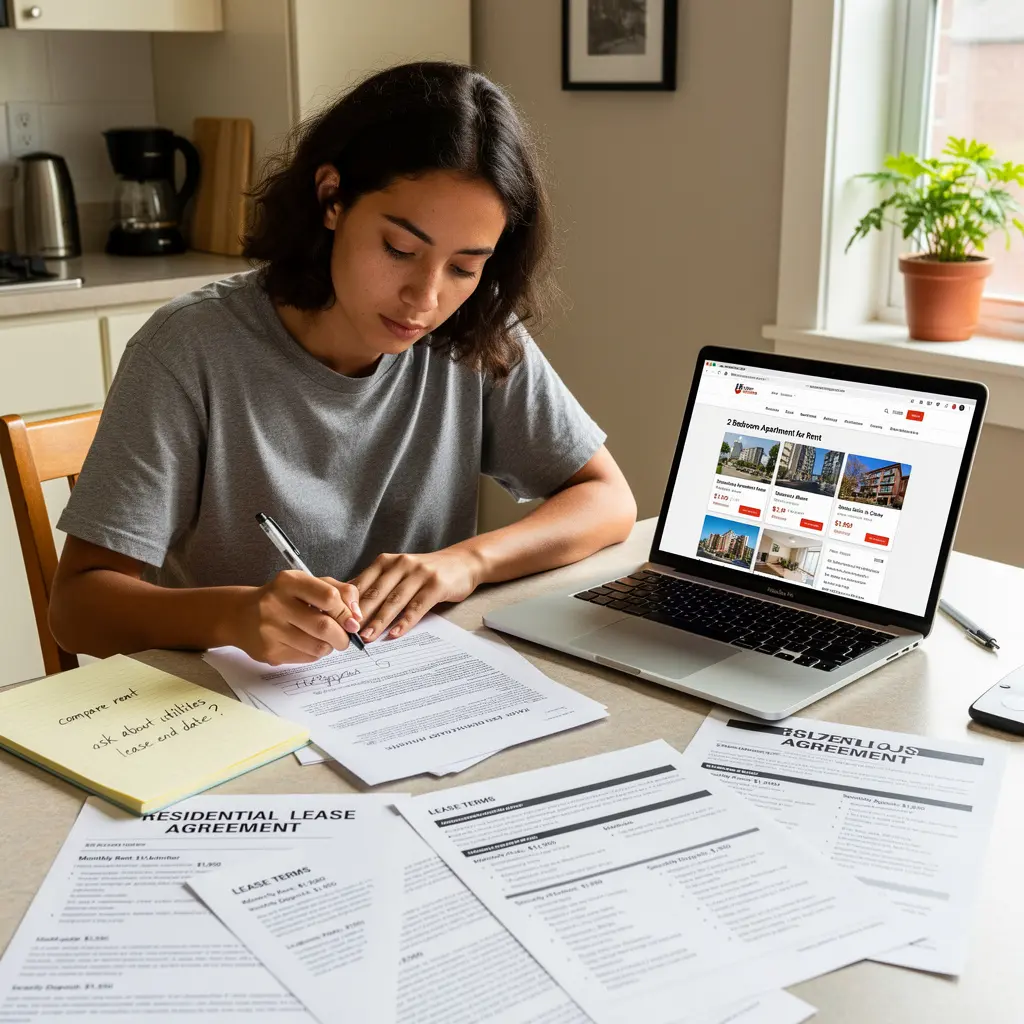
Yes, rent is often negotiable — success depends on your local market and standing as a tenant. Steps: (1) research comparable rents nearby; (2) pick the right timing (vacant units, slower seasons, a few months before lease end); (3) highlight your value as a tenant (on-time payments, good care of the unit, or strong references if new); (4) offer something back — a longer lease, prepaid rent, or minor upkeep — rather than just asking for less; (5) get any agreement in writing in the lease. Negotiation works best in soft markets with more vacancies than renters; it's harder in tight, high-demand areas.
Is It Actually Possible to Negotiate Rent?
Yes — more often than most renters assume, though it depends heavily on your specific situation. Negotiation works best when the local rental market is soft (more available units than renters looking), since landlords have less leverage and more incentive to keep good tenants or fill vacancies quickly.
Your standing matters too. If you're renewing a lease with a strong history of on-time payments and good property care, landlords often prefer a smaller increase over the cost and risk of turnover. If you're a new applicant, references, proof of income, or strong credit can give you leverage. In a tight, high-demand market with low vacancy, landlords have plenty of other applicants and are far less likely to budge — especially on small, routine increases tied to inflation. Either way, it's always worth asking respectfully; the worst outcome is a "no."
How to Negotiate: Step by Step
Research comparable rents
Check listings for similar units nearby (size, amenities, location) on sites like Zillow, Apartments.com, or Rent.com. This tells you whether you're already paying a fair rate — and gives you concrete numbers to reference if you're not.
Pick the right timing
Start the conversation a few months before your lease ends if you're renewing. A unit that's sat vacant for a while signals a landlord more open to negotiating. Winter tends to favor tenants (less competition); summer favors landlords (easier to fill vacancies).
Highlight your value as a tenant
Point to your track record — on-time payments, no disturbances, good property care. For a new lease, offer references from a previous landlord who can vouch for you. Replacing a good tenant is expensive and uncertain for a landlord; make that cost visible.
Offer something in exchange
Don't just ask for less — propose a trade. A longer lease (18–24 months instead of 12), prepaid rent, or handling small maintenance yourself all reduce the landlord's risk or effort, which is often more persuasive than a bare request for a discount.
Put any agreement in writing
Whatever you negotiate — lower rent, a rent concession, a fee waived — make sure it's added to the signed lease, not just a verbal understanding. A verbal agreement isn't enforceable if a dispute comes up later.
A Script You Can Use
"Hi [Landlord/Property Manager], I really appreciate living here and want to renew my lease. I've noticed comparable units nearby are listed around $[X], and I wanted to see if there's flexibility on the renewal rate. I've been a reliable tenant — always on time, no issues with the unit — and I'd be happy to sign a longer lease, say 18 months, if that helps make a lower rate work for both of us."
Adjust the specifics for your situation — new lease vs. renewal, the concession you're offering, the comparable numbers you found. The structure matters more than the exact words: acknowledge the relationship, cite real data, state your ask clearly, and offer something concrete in return.
Negotiating a Rent Increase Specifically
This works a bit differently — you're trying to reduce or prevent an increase, not lower an existing price. Small annual increases tracking general inflation are usually hard to negotiate down. A larger-than-typical jump is more open to discussion, especially if it would push you above what comparable units nearby actually rent for.
Strengthen your position on an increase
- Be a model tenant — no disturbances, on-time payments
- Flag small property issues before they become expensive
- Research comparable rents to show if the increase is out of line
- Know your local rent control laws and required notice periods
- Consider a written hardship letter if face-to-face feels difficult
Know your rights first. Some cities and states have rent control or rent stabilization laws that cap how much or how often rent can be raised, plus required notice periods before an increase takes effect. Check your local tenant protections before negotiating — you may have more leverage than you think, or the increase itself may not even be legal as proposed.
Avoid negotiating under time pressure. If you need to move immediately or you're negotiating the day before a deadline, a landlord can sense you have less leverage. Start conversations early — ideally months, not days, ahead of any deadline — so you're negotiating from a position of options, not urgency.
The bottom line: Rent is negotiable more often than most people try — the key is doing your homework first. Research comparable listings, time the conversation well, remind your landlord of your value as a tenant, and offer something concrete in exchange for a lower rate rather than just asking. It won't always work, especially in tight markets, but a respectful, well-prepared ask costs you nothing and can genuinely lower your biggest monthly expense. If you land a better rate, put it in writing immediately — and then put the savings straight into your emergency fund or debt payoff before it quietly disappears into everyday spending.
Frequently Asked Questions
Can you actually negotiate rent?
Yes, more often than many renters assume, though success depends heavily on your situation and local market. It works best when the rental market is soft — more available units than renters — since landlords have less leverage and more incentive to keep good tenants or fill vacancies quickly. Your standing as a tenant matters: renewing with a strong history of on-time payments and good property care often gets landlords to prefer negotiating over risking turnover costs. New applicants can build leverage with references, proof of income, or strong credit. In a highly competitive market with low vacancy, landlords have many other applicants and are less likely to budge, especially on small routine increases. It's always worth asking respectfully, since landlords can only say no, but odds depend on market conditions and your value as a tenant.
What can you offer a landlord in exchange for lower rent?
Since landlords value predictable income and low turnover costs, offering something that reduces their risk or effort is often more persuasive than just asking for a lower number. A longer lease term (18-24 months instead of 12) is one of the most effective offers because it guarantees income and reduces the cost of finding a new tenant sooner. Prepaying several months upfront can appeal to a landlord who values cash flow certainty. You can also offer to handle small maintenance yourself, like lawn care, saving them money over the lease. If you're already a tenant, your track record — on-time payments, good unit condition, no disturbances — is itself a form of value, since replacing a good tenant is expensive and uncertain. Be specific and realistic rather than vague; landlords are more likely to say yes to a clear, concrete trade than an open-ended discount request.
How do you negotiate a rent increase?
Different from negotiating a new lease — you're reducing or preventing an increase rather than lowering an existing price. Research whether the proposed increase matches your local market; small annual increases tracking inflation are hard to negotiate down, but a larger-than-typical jump is more open to discussion, especially if comparable nearby units rent for less. Being a model tenant strengthens your position — no disturbances, on-time payments, flagging small issues before they become expensive. If face-to-face negotiation feels uncomfortable, a hardship letter calmly outlining your financial situation can work better for some landlords. Understand your rights too, including local rent control laws and required notice periods for increases. Whatever the outcome, get any negotiated change in writing before your next payment is due.
When is the best time to negotiate rent?
Timing significantly affects your leverage. Existing tenants hoping to negotiate a lower renewal rate should start the conversation a few months before the lease ends, giving both sides time to consider options. For prospective tenants, a unit that's sat vacant a while signals the landlord may be more willing to negotiate, since vacancies cost money every day. Seasonal timing matters too — landlords fill vacancies more easily in summer, so signing in winter (lower demand) may give new tenants more leverage. Broader market conditions matter as well — negotiating is easier in a soft market with more available apartments than renters, harder in tight, high-demand markets. Avoid negotiating under time pressure, like right before you need to move, since a landlord can sense reduced leverage when you're in a hurry.
Sources & References
- Current — How to Negotiate Rent: rental concessions vs lowered price, tenant history and market factors, Zillow rental trends data
- Fidelity — Can You Negotiate Rent: lease-length trade-offs, photos/references for new leases, rent up 17% vs 2019
- Global Credit Union — How to Negotiate Lower Rent: 3-months-ahead timing, comparable rent research, seasonal vacancy leverage
- Coast Central Credit Union — The Smart Tenant's Guide to Negotiating Rent: positive framing, non-rent concessions, offering something in return
- LegalShield — How to Negotiate a Rent Increase: hardship letters, model-tenant behavior, comparable-rent research strategy
- CNBC — How to Negotiate Cheaper Rent: property manager perspective, solving landlord problems as leverage, model-tenant behavior