
The best budgeting apps of 2026: YNAB ($14.99/month) for zero-based budgeting if you're serious about the method. Monarch Money ($14.99/month) for the most complete Mint replacement with investments and net worth tracking. Empower (free) for investment monitoring alongside basic spending. Goodbudget (free tier) for envelope budgeting without bank syncing. EveryDollar (free tier) for beginner-friendly zero-based budgeting. The best app is the one you'll actually use — not the one with the most features.
Best Budgeting Apps of 2026 — Why This Matters Now
Research in 2026 found that 84% of Americans feel financial stress because they don't know where their money is going. After Mint's closure in January 2024, many former users migrated to Credit Karma — which Intuit recommended as the official replacement — only to find that Credit Karma focuses on credit scores and product recommendations, not active budget tracking. The gap left by Mint is still being filled.
16% of U.S. adults now use some form of budgeting app, up from 10% five years ago. The market has matured with clear categories: zero-based budgeting apps (YNAB, EveryDollar), comprehensive trackers (Monarch Money, Empower), envelope-style apps (Goodbudget), and subscription managers (Rocket Money).
The most important thing about budgeting apps: The best app is the one you'll actually use consistently. A simple spreadsheet used every week beats a sophisticated app opened twice. Before committing to a paid subscription, use free trials honestly — if you haven't logged in after 14 days, the app isn't right for you regardless of how many features it has.
The Best Budgeting Apps of 2026 — Full Reviews
YNAB is the most opinionated budgeting app on this list — and that's both its greatest strength and its biggest limitation. The entire system is built around one methodology: zero-based budgeting. Every dollar you have gets assigned to a category before you spend it. Income minus assigned amounts equals zero. You plan proactively, not reactively.
YNAB doesn't track what you've already spent and tell you where you went wrong. It forces you to decide where your money will go before the money moves. This distinction — planning versus tracking — is why YNAB users report dramatically better results than passive trackers. The company claims users save $600 in the first month and $6,000 in the first year. The methodology genuinely works for people who commit to it.
The limitations are real: YNAB doesn't track investments, doesn't show net worth, and doesn't forecast future balances. It's a budgeting tool, not a wealth management tool. The learning curve is steep for people new to zero-based budgeting — plan on a few weeks before it clicks. At $14.99/month, it's also the priciest option on this list by per-month rate.
Works best when
- You want to proactively plan spending, not just track it
- You're trying to break the paycheck-to-paycheck cycle
- You have a partner to share the budget with
- You're willing to invest time in learning the method
Not the right fit if
- You want investment tracking or net worth monitoring
- You've tried zero-based budgeting before and found it too rigid
- You want a free long-term option
- You have irregular or highly variable income
Monarch Money was built by a former Mint creator specifically to fill the gap Mint left. It's the most complete budgeting app available in 2026 — combining spending tracking, budget setting, investment monitoring, net worth tracking, recurring bill management, and tax reporting in one dashboard. It connects to 40,000+ financial institutions.
For Mint users who want the closest feature-for-feature replacement, Monarch is the answer. Its AI-powered transaction categorization is accurate, the interface is clean and modern, and the cash flow projections — a feature Mint never did well — help with forward planning. Shared budgets work well for couples or families.
The trade-off is the cost: $99.99/year with no permanent free tier. The 7-day trial is honest — it's enough time to see if the interface works for you. At $8.33/month amortized annually, it's slightly cheaper than YNAB's monthly rate but requires annual commitment.
Works best when
- You're coming from Mint and want a familiar experience
- You want spending AND investments in one place
- You share finances with a partner
- You want net worth tracking over time
Not the right fit if
- You want zero-based budgeting methodology (use YNAB instead)
- You prefer not to connect bank accounts
- You need a truly free option
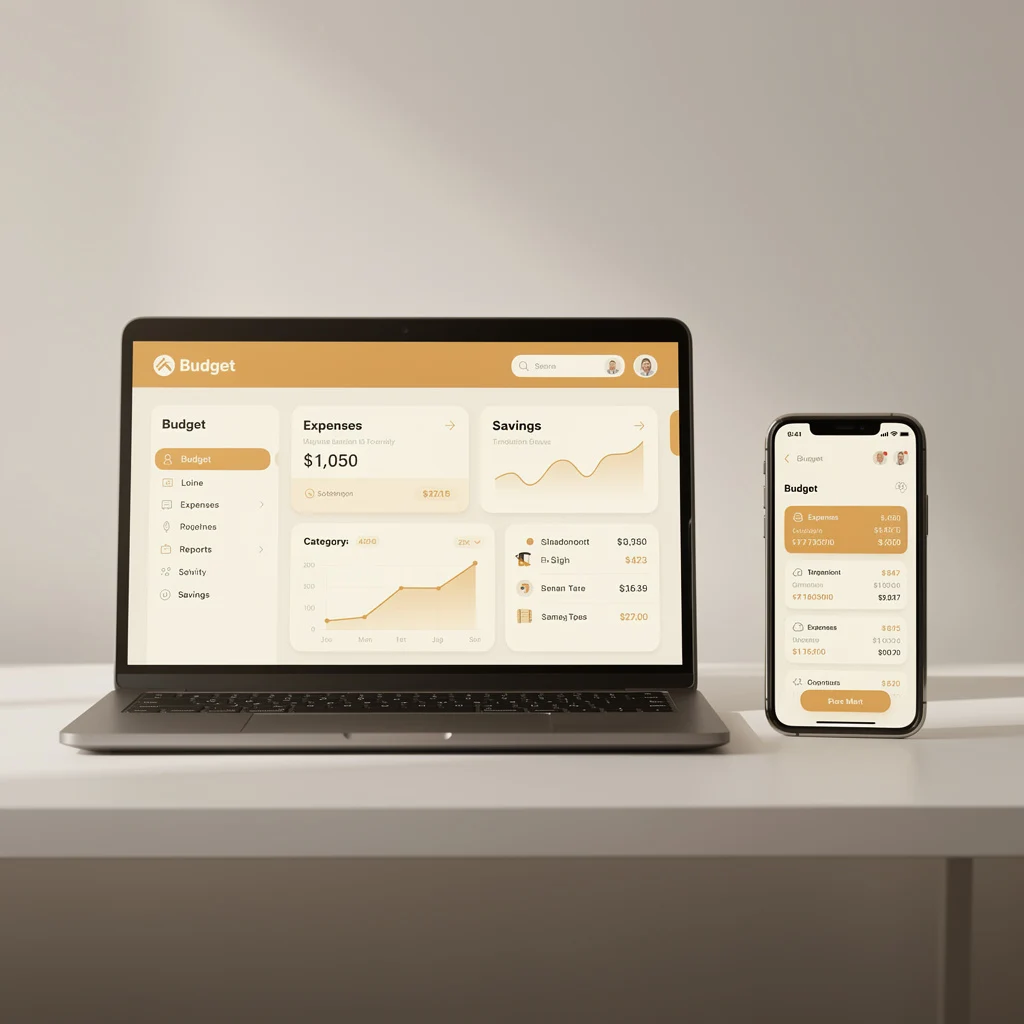
Empower is the strongest free option for anyone who wants investment tracking alongside basic spending categorization. The budgeting features are less robust than YNAB or Monarch — you won't get proactive planning or envelope budgeting — but the investment dashboard, net worth tracking, and retirement planning tools are excellent and available at no cost.
The catch: Empower's paid wealth management service (which you're not required to use) will periodically prompt you to schedule a call with an advisor. This can feel intrusive. The free tools work independently of the paid service — ignore the prompts if you just want the budgeting and investment tracking features.
Works best when
- You want free investment monitoring alongside spending
- You're focused on building wealth and want net worth tracking
- Basic spending categorization is enough — you don't need proactive planning
Not the right fit if
- You want zero-based or envelope budgeting
- Advisor call prompts will frustrate you
- You need detailed budget category management
Goodbudget uses the envelope budgeting method — you allocate money to digital "envelopes" (groceries, rent, entertainment, etc.) at the start of each month, then manually log transactions against each envelope. The free tier provides 10 envelopes and one account, which covers most budgeting needs.
The defining characteristic is the lack of bank syncing — you enter transactions manually. This is a feature, not a limitation, for users who prefer not to connect financial accounts to third-party apps. Manual entry also increases financial awareness — you're more conscious of spending because you're recording it actively. The interface is simple, the learning curve is minimal, and the free tier is genuinely usable long-term.
Works best when
- You prefer not to connect bank accounts to apps
- You like the envelope budgeting method
- You want a simple, free, long-term option
- You're budgeting as a couple or family (syncs across devices)
Not the right fit if
- You want automatic transaction import
- Manual entry feels like too much work
- You need investment or net worth tracking
EveryDollar by Ramsey Solutions is the most beginner-friendly zero-based budgeting app available. The interface is simpler than YNAB, the methodology is the same (assign every dollar a job), and the free tier — which requires manual transaction entry — is fully functional for basic budgeting. If you want to try zero-based budgeting before committing $109/year to YNAB, EveryDollar's free tier is the place to start.
The paid tier ($79.99/year) adds bank syncing, which reduces manual entry and brings the experience closer to Monarch or YNAB. At a lower annual cost than YNAB, EveryDollar Premium is worth considering for committed zero-based budgeters who want automation.
Works best when
- You're new to zero-based budgeting and want to try it free
- You prefer a simpler interface than YNAB
- You're already in the Dave Ramsey ecosystem
Not the right fit if
- Free tier frustrates you with manual-only entry
- You want investment tracking
- YNAB's features and community appeal to you more
Rocket Money's defining feature isn't budgeting — it's subscription management. The app identifies every recurring charge in your bank accounts, flags ones you may not recognize, and lets you cancel directly through the app. The premium version adds bill negotiation: Rocket Money negotiates lower rates on your cable, internet, and phone bills on your behalf, keeping a percentage of any savings they achieve.
As a pure budgeting tool, Rocket Money is less comprehensive than YNAB or Monarch. But as a subscription auditor and bill negotiator, it often pays for itself within the first month. It's best used as a complement to a primary budgeting tool, or as a standalone option for someone whose main financial goal is finding and eliminating forgotten expenses.
Works best when
- You suspect you're paying for subscriptions you forgot about
- You want someone to negotiate your bills for you
- Finding and eliminating waste is your primary goal
Not the right fit if
- You want zero-based budgeting or proactive planning
- Investment tracking is important to you
- You've already audited your subscriptions manually
Quick Comparison — All Apps at a Glance
| App | Price | Bank sync | Investments | Method | Best for |
|---|---|---|---|---|---|
| YNAB | $14.99/mo | Yes | No | Zero-based | Proactive planners |
| Monarch Money | $99.99/yr | Yes | Yes | Tracking | Mint replacement |
| Empower | Free | Yes | Yes | Tracking | Investors |
| Goodbudget | Free/$10mo | No | No | Envelope | Privacy-conscious |
| EveryDollar | Free/$79yr | Paid only | No | Zero-based | ZBB beginners |
| Rocket Money | Free/$12mo | Yes | No | Tracking | Subscription auditing |
Which Budgeting App Should You Choose?
Decision guide — match your situation to the right app
Is a Budgeting App Better Than a Spreadsheet?
For many people, no — a well-structured spreadsheet in Google Sheets or Excel works just as effectively as any app, costs nothing, requires no bank connection, and is fully customizable to your situation. The advantage of apps is automation: bank syncing, automatic categorization, and real-time spending alerts reduce the manual effort of budgeting.
The right choice depends on what causes you to stop budgeting. If you've tried spreadsheets before and abandoned them, an app's automation may provide enough friction reduction to stay consistent. If you've tried apps and find the syncing feels invasive, a spreadsheet gives you full control over your data.
The best budgeting tool is the one you open every week. Nothing else matters as much as consistency.
Frequently Asked Questions
What is the best free budgeting app in 2026?
The best free budgeting apps are Empower (free, best for investment tracking alongside spending), Goodbudget (free tier with 10 envelopes, no bank sync), and EveryDollar (free tier, zero-based budgeting, manual entry). The best choice depends on your goal — investment monitoring, envelope budgeting, or zero-based planning.
Is YNAB worth the cost in 2026?
YNAB costs $14.99/month or $109/year. It's worth it specifically for people who commit to zero-based budgeting — assigning every dollar a job before spending it. YNAB claims users save $600 in the first month and $6,000 in the first year. For people wanting to try zero-based budgeting free first, EveryDollar's free tier uses the same method. YNAB is not worth it for passive trackers who just want to see where money went.
What replaced Mint after it shut down?
Mint shut down in January 2024. The closest feature replacement is Monarch Money ($14.99/month or $99.99/year), built by a former Mint creator. For free alternatives, Empower covers investment tracking and basic budgeting. Intuit redirected Mint users to Credit Karma, but Credit Karma focuses on credit scores rather than active budgeting.
What budgeting app works best for couples?
YNAB supports sharing a budget with up to 6 people and is frequently cited as best for couples committed to zero-based budgeting. Monarch Money also offers shared access with a complete view of combined finances including investments. Goodbudget works well for couples who prefer envelope budgeting without bank syncing.
Do I need a budgeting app or will a spreadsheet work?
Both work — the best choice is the one you'll use consistently. Spreadsheets are free, customizable, and private. Budgeting apps offer automatic bank syncing and real-time categorization. If you've tried spreadsheets and stopped using them, an app may provide enough automation to stay consistent. If you prefer privacy and enjoy manual tracking, a spreadsheet works just as well.
Sources & References
- NerdWallet — Best Budget Apps 2026 (user research and feature comparison)
- Online Tool Guides — Best Budgeting Apps 2026 (84% of Americans stress financially due to unclear spending)
- Finny Blog — Best Mint Alternatives 2026 — post-Mint migration analysis
- Spend & Invest — Best Budgeting Apps 2026 — 9 apps tested side by side
- Yomio — YNAB Alternatives 2026 (16% of U.S. adults use budgeting apps, up from 10% 5 years ago)
- YNAB — Official pricing: $14.99/month or $109/year; 34-day free trial
- Monarch Money — Official pricing: $14.99/month or $99.99/year; 7-day trial