No acting degree required — genuine vocal skill matters more than formal training, and it's learnable through practice and honest self-review. Pay ranges from modest gig-marketplace rates for beginners to $200+/hour for experienced commercial and broadcast voice actors. Start with a quality USB or XLR mic, basic soundproofing (even a closet works), and closed-back headphones — a full studio isn't necessary. Build a demo reel showing your range, then apply through freelance marketplaces and dedicated voice-over casting platforms. Audiobooks, e-learning, and corporate narration offer steadier, more predictable demand than one-off commercial auditions.
What You Actually Need to Start
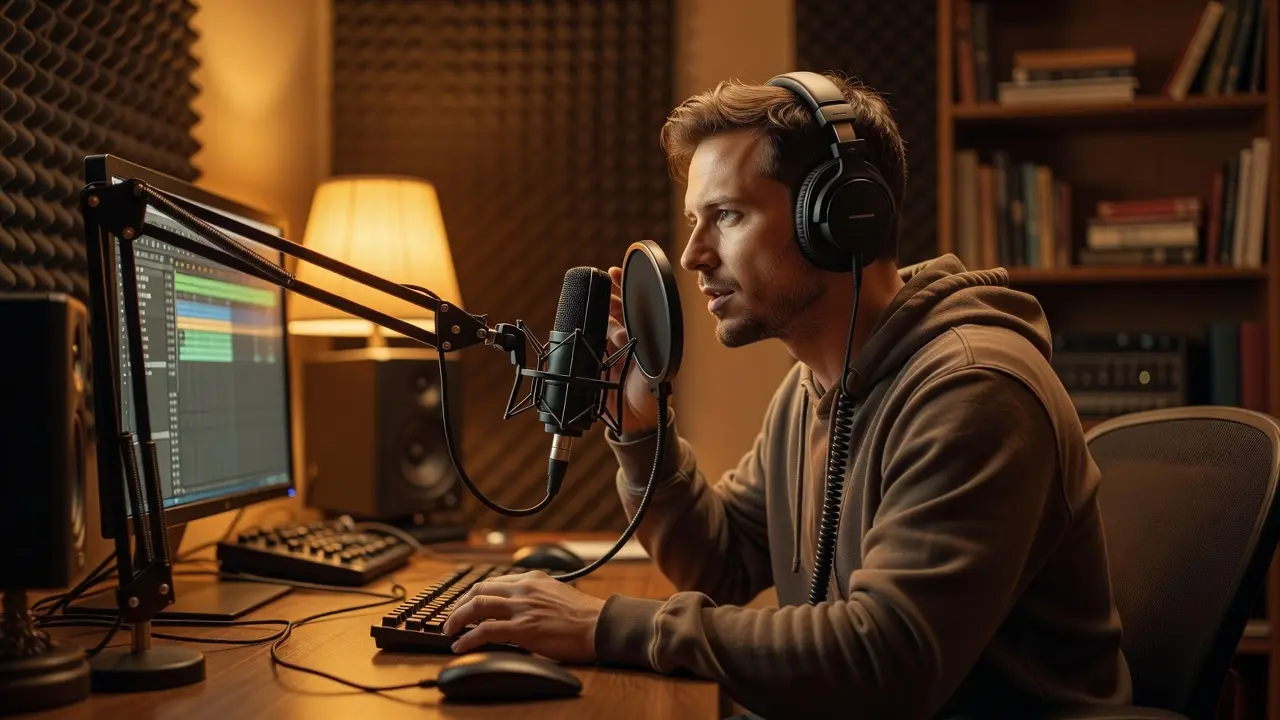
No professional recording studio required — but you do need genuinely clean audio, since clients can easily tell amateur recordings from professional ones. A quality USB or XLR microphone (with an audio interface for XLR), plus closed-back headphones for monitoring, covers the essentials. Basic soundproofing matters more than beginners expect: background noise and room echo are the most common reasons a home recording sounds unprofessional. A closet full of clothes, moving blankets, or simple acoustic foam can meaningfully improve quality without an expensive studio build-out.
What You Can Realistically Earn
Pay varies enormously by project type, experience, and whether you're working through a marketplace or landing higher-budget work directly. Beginners on general freelance platforms typically earn modest, gig-based rates similar to other freelance work when starting out. Experienced voice actors in commercial, broadcast, or corporate narration can earn considerably more — some established artists report rates exceeding $200/hour for premium project types.
Audiobooks, e-learning, and corporate training represent steadier, if less glamorous, demand than one-off commercial auditions — these tend to be longer engagements with clearer scope, offering more predictable income than chasing broadcast-level gigs from day one.
How to Get Started: Step by Step
Develop your voice acting skills
Practice tone, timing, and delivery through tutorials, workshops, or online courses focused specifically on voice performance — a distinct skill set from on-camera acting.
Set up a basic home recording space
A decent mic and minimal soundproofing — not a full studio — is enough to produce professional-quality audio for most entry-level and mid-tier work.
Create a demo reel
A short, varied sample showcasing different styles and tones — this is your calling card, and clients decide whether to hire you largely based on it.
Join voice over platforms
General freelance marketplaces are the most accessible starting point. Dedicated voice-over casting platforms offer more relevant work once you have a demo reel worth showing.
Apply consistently and find your niche
Notice which styles or project types get the best response, and lean into that — specialization tends to pay better than staying a generalist.
Building skill without formal acting training
- Record practice scripts regularly and critically listen back
- Study successful voice-over work in the specific style or genre you want
- A distinctive, warm, or authoritative voice helps — but consistent practice matters more
- Voice acting workshops and online courses beat traditional on-camera training for this specific skill
Where to Find Work as a Beginner
General freelance marketplaces with voice-over categories are the most accessible starting point — lower barrier to entry, real paying clients across many project types. Dedicated voice-over casting platforms offer more consistent, relevant work but often involve more competition and sometimes membership fees, better suited once you have a portfolio. Sharing samples on social media and creative platforms can also help clients discover you organically, especially for niche work like podcast intros or indie game character voices.
The bottom line: Voice over work is a genuinely accessible side hustle — no acting degree, no expensive studio, just a decent mic and consistent practice. Start with entry-level gig platforms to build a portfolio and reviews, then work toward the steadier, better-paying categories like audiobooks and e-learning as your demo reel and track record grow. The first few projects are the hardest to land; after that, word-of-mouth and reviews do a lot of the work.
Frequently Asked Questions
How much can you make doing voice over work?
Varies enormously by project type, experience, and whether you work through a marketplace or land higher-budget work directly — a single average isn't a useful predictor. Beginners on general freelance marketplaces often earn modest, gig-based rates similar to other freelance work, while experienced voice actors in commercial, broadcast, or corporate narration can earn considerably more, with some established artists reporting rates exceeding $200/hour for premium projects. Audiobook narration, e-learning modules, and corporate training represent steadier, if less glamorous, demand than one-off commercial auditions, since these tend to be longer engagements with clearer scope. Most people build voice over income gradually over months, treating early gig-marketplace work as a way to build a portfolio before pursuing higher-paying opportunities.
What equipment do I need to start doing voice over work?
No professional recording studio required, but you need equipment capable of genuinely clean, professional-quality audio, since clients can easily tell amateur from professional recordings. A quality USB or XLR microphone paired with an audio interface (for XLR), plus closed-back headphones for monitoring, represents the essential starting investment. Basic soundproofing matters more than beginners expect — background noise and room echo are among the most common reasons home recordings sound unprofessional; a closet full of clothes, moving blankets, or acoustic foam panels can meaningfully improve quality without an expensive studio build-out. As you build steadier income, gradually reinvesting in better equipment or room treatment is reasonable to improve competitiveness for higher-paying projects.
Do I need acting experience to do voice over work?
No formal acting degree or theater background is required, though genuine skill in vocal delivery, timing, and conveying emotion through voice alone meaningfully improves both audition success and the types of projects you can book. Many successful voice actors develop these skills through dedicated practice, voice acting workshops, or online courses focused specifically on voice performance, rather than traditional on-camera acting training, since voice work relies on a distinct set of vocal techniques. A distinctive, warm, or memorable voice provides a real head start, but consistent practice and honest self-assessment of recordings matter considerably more than any single innate quality. Recording practice scripts regularly, critically listening back, and studying successful voice-over work in your target style are practical ways to develop skill without formal acting background.
Where can I find voice over work as a beginner?
General freelance marketplaces with voice-over job categories are typically the most accessible starting point, offering relatively low barriers to entry while connecting you with real paying clients across many project types and budget levels. Dedicated voice-over-specific casting platforms also exist, often involving more competition or membership fees, but can provide a more consistent stream of relevant projects once you've built an initial portfolio and demo reel. Building a presence on social media and creative platforms, sharing voice work samples publicly, can help potential clients discover you organically, particularly for niche content like podcast intros or indie game character voices that don't always flow through larger formal marketplaces. Your first several projects tend to be hardest to land due to lack of a track record, but positive reviews and word-of-mouth referrals tend to make subsequent opportunities meaningfully easier to find.
Sources & References
- Real Ways to Earn Money Online — Voice Over Jobs From Home: hourly rate range by project type, gig-work vs full-time income potential
- Making Sense of Cents — How to Become a Voice Over Actor: beginner starting steps, flexible work-from-home structure
- Spinzel — How to Make Money Online with Voice Acting: demo-first approach, e-learning and AI-training demand growth
- Medium (Emmanuel Kalunga) — How to Make Money From Home Doing Voice Overs: home studio setup essentials, demo reel construction
- This Mama Blogs — How to Make Money from Home as a Voice Artist: voice acting skill development, dubbing studio work path
- Making Sense of Cents — Getting Started in Voiceover: platform sign-up process, beginner audition strategy